

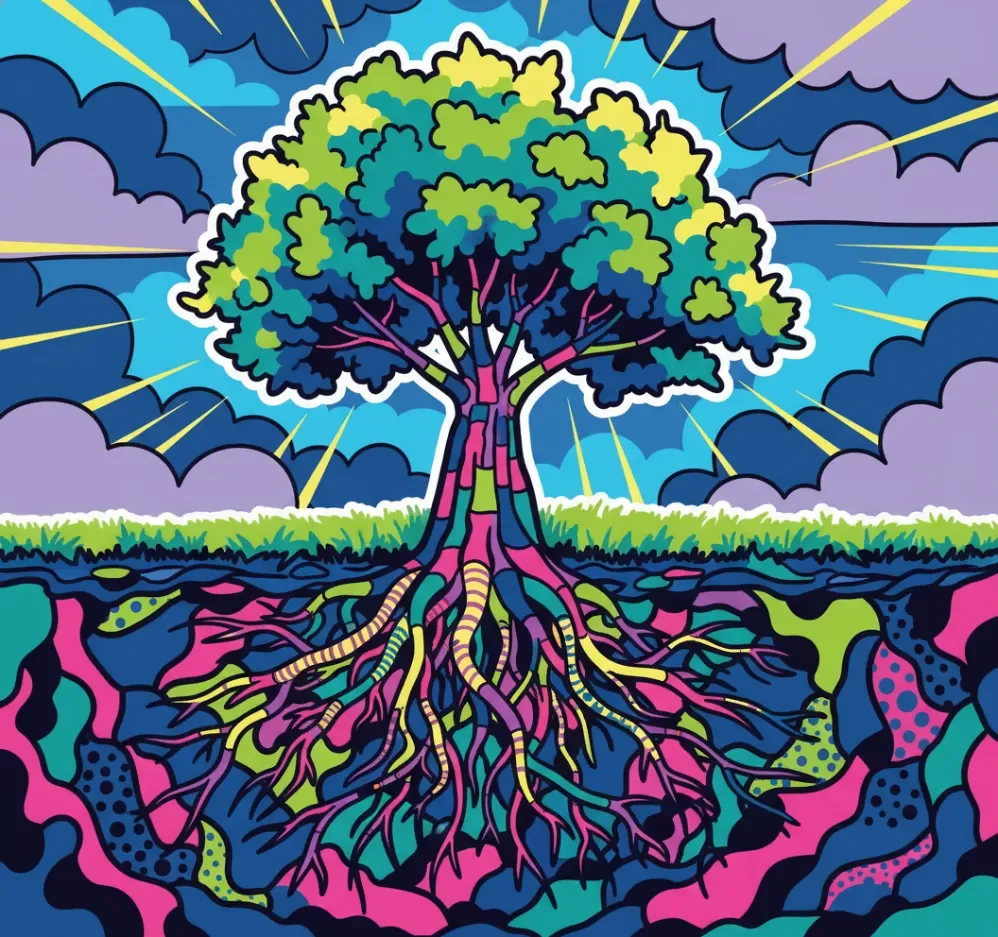

Grounded Confidence & Vulnerability
-
Ever caught yourself
Saying "I'm fine" when you're actually struggling?
Or smiling and nodding in agreement when inside you're thinking "absolutely not"?
Or automatically saying "yes" to another request when your plate is already overflowing?
We all wear this protective armor that's supposed to keep us safe from judgment, rejection, or conflict.
But armor that once protected us has become heavy. It exhausts us, drains our energy, and creates an invisible barrier between ourselves and genuine connection with others.
-
Armor feels like protection but acts like prison. In moments of stress or judgment, our shields snap into place automatically - perfectionism, people-pleasing, emotional numbing - blocking not just pain but growth.
What masquerades as strength drains our energy. "Never show weakness" might sound like power, but it's actually an exhausting performance. True strength isn't wearing impenetrable armor, it's knowing when to set it down.
Living our values requires dropping the shield. When we step above the line, we choose what matters most over what scares us most. This creates not just better outcomes, but the wholeness that comes from aligning our actions with our deepest values.
-
You'll recognize yourself here if you've ever felt the weight of your own armor:
When you agree to impossible deadlines, then work nights to meet them.
When you know you should disagreed with your boss, because of your expertise but you don’t.
When you maintain a mental list of "off-limit" topics with family members just to avoid tension.
When you feel a wave of relief leaving social situations because you can finally drop the exhausting performance.
This work resonates particularly with those balancing multiple roles_ navigating leadership with authenticity, strength with openness, and others' expectations with your own truth.
-
You will develop three essential skills for replacing shifting sand with solid ground beneath your feet:
Recognize Your Armor Patterns
Identify your specific protection strategies (perfectionism, people-pleasing, numbing) and the triggers that activate them. You'll create a personal "armor map" to catch yourself in these patterns before they take over.Build Emotional Literacy
Expand your vocabulary beyond "stressed" or "fine" to precisely name your feelings, creating choice where you previously had automatic reactions. This skill alone can reduce emotional reactivity by up to 40% in challenging situations.Transform Values into Behaviors
Move beyond abstract concepts like "authenticity" to specific, measurable actions you can practice daily. You'll develop a values-to-behaviors matrix that creates clarity about what living your values actually looks like in practice.
These foundational skills work together, creating solid ground from which you can stand confidently in your truth while remaining open to genuine connection with others.
Spotting When Fear Takes The Wheel * * *
Spotting When Fear Takes The Wheel * * *
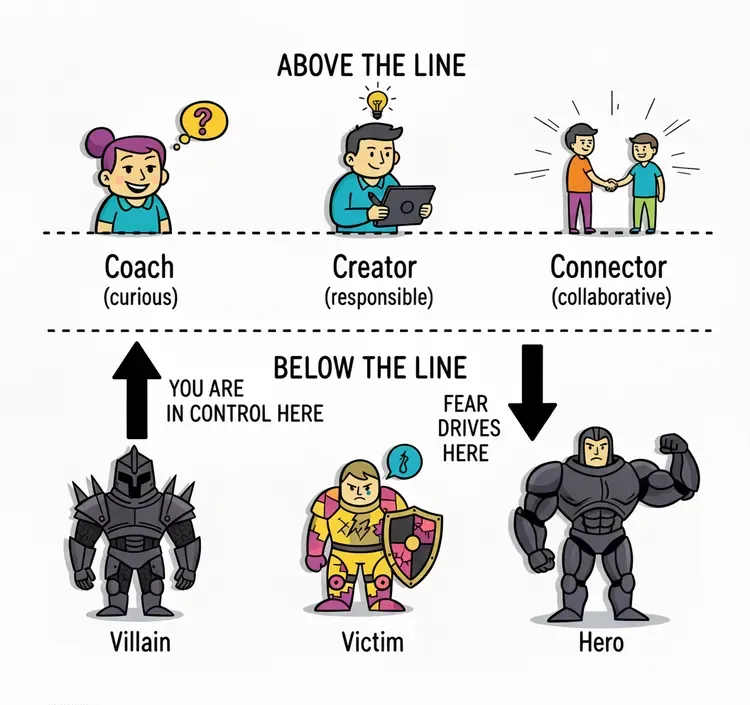
Spotting Your Armored Behavior
The most dangerous driver isn't the one you see coming.
Ever regretted how you handled a difficult conversation? Or found yourself wondering why you reacted so strongly to other peoples opinion? The hidden force behind these moments is rarely what we think.
What we experience as righteous anger or logical analysis is often fear in disguise. Brain imaging studies show our defensive mechanisms activate before we're consciously aware of feeling threatened.
We don't consciously choose to blame, withdraw, or control. We simply react, absolutely convinced our response is justified. This invisible armor - what Brené Brown's research identifies as going 'below the line' - shows up as recognizable patterns that once protected us but now sabotage our relationships and effectiveness.
This exercise reveals your specific armor patterns, giving you the power to spot when fear has quietly taken the wheel of your behavior, and the freedom to choose a different path forward.
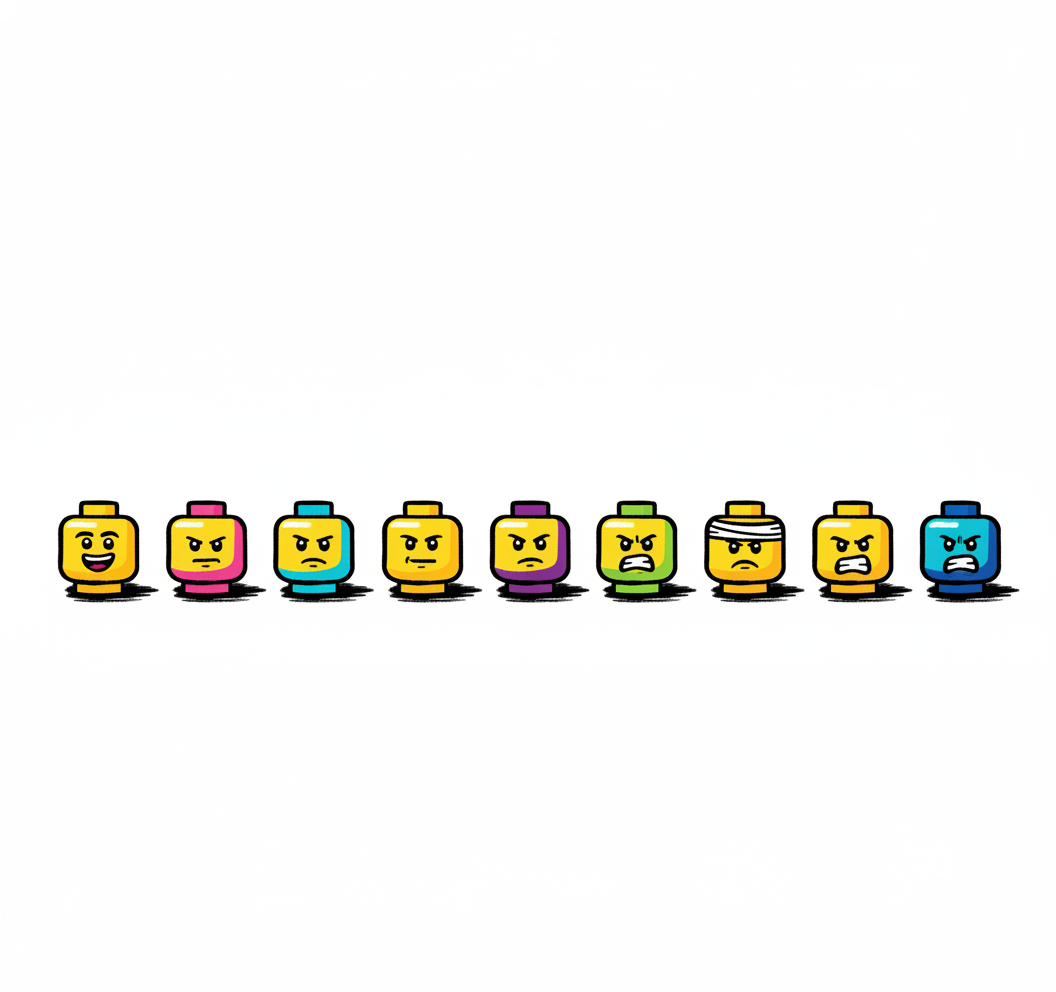
Limited words, limited choices.
Beyond "Fine":
The Power of Emotional Specificity
When was the last time you said you were "stressed" when you were actually overwhelmed, anxious, or frustrated? Or replied "fine" when you were disappointed, uncertain, or resentful?
Most of us use only 3-5 emotion words regularly, despite experiencing dozens of distinct emotional states. This isn't just a communication problem, it's a perception problem. Without specific language, our brain processes diverse emotional experiences as one undifferentiated state, leaving us with generic, ineffective information and responses.
Research shows that labeling emotions precisely reduces their intensity by up to 40% while activating the brain regions responsible for insight and problem-solving. This isn't about controlling emotions, it's about creating a working partnership with them.
By expanding your emotional vocabulary, you transform vague, overwhelming feelings into specific messengers carrying valuable information about your needs. What you can name with precision, you can navigate with wisdom.
Values in Action
*
Values in Action *
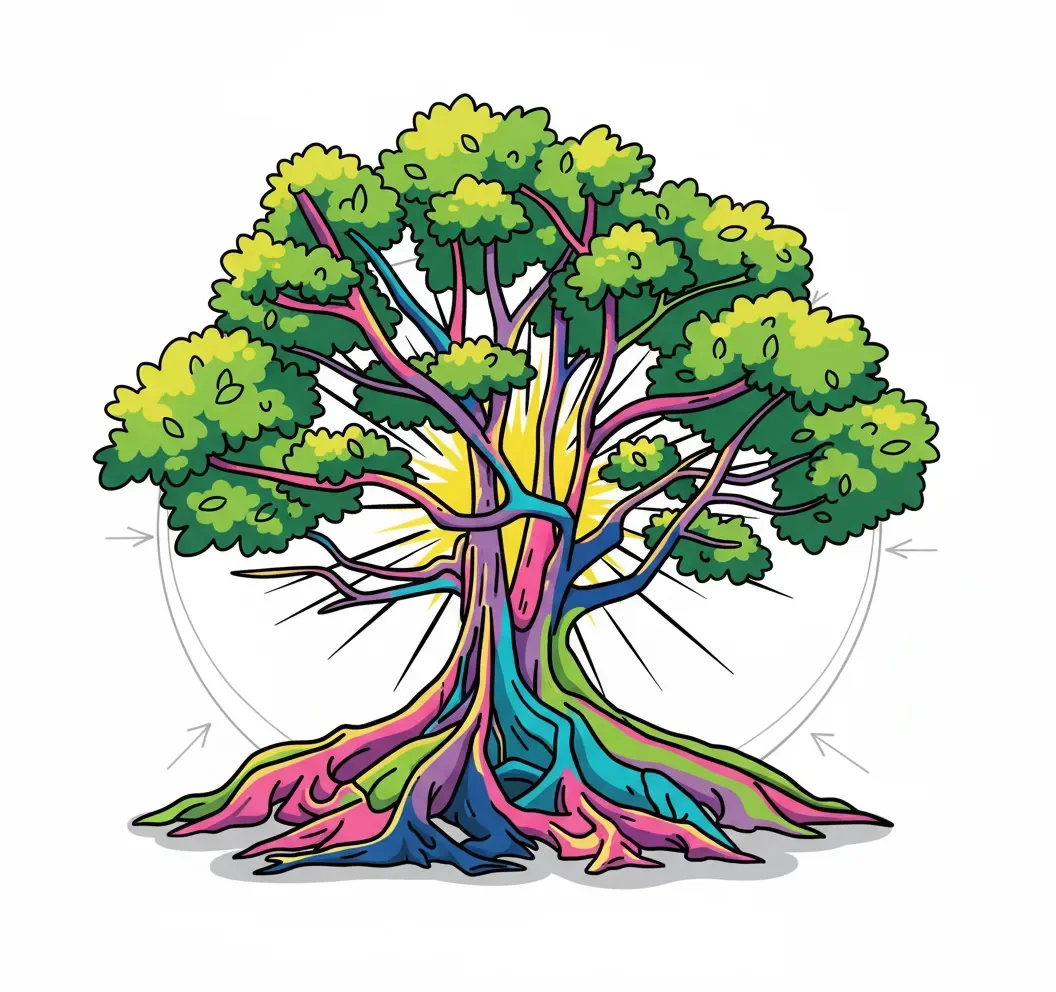
Steady Ground: Turning Values into Everyday Anchors
You've learned to spot when fear hijacks your behavior. You've developed the vocabulary to name what you're truly feeling. But now comes the pivotal question:
When the emotional storm threatens to sweep you away, what keeps you anchored to solid ground?
This is where values become your game-changer. Without these anchors, you're left adrift. You might recognize you're in villain mode or feeling resentful, but still find yourself thinking: "Now what?"
Values transform insight into stability. They become your unwavering anchors when:
Your boss criticizes your work and waves of shame threaten to pull you under
Your child pushes boundaries and currents of frustration try to carry you away
Your team faces a crisis and the undertow of pressure tempts you to abandon what matters most
The most respected leaders, parents, and partners aren't those who never experience emotional storms - they're those who've secured their anchors so firmly that even in the roughest waters, they remain grounded in what truly matters. This exercise helps you identify or strengthen your two values that will hold you steady when everything else feels uncertain.


NEXT: Lead With Courage and Purpose
Take the next step and discover why purpose is build - not found.

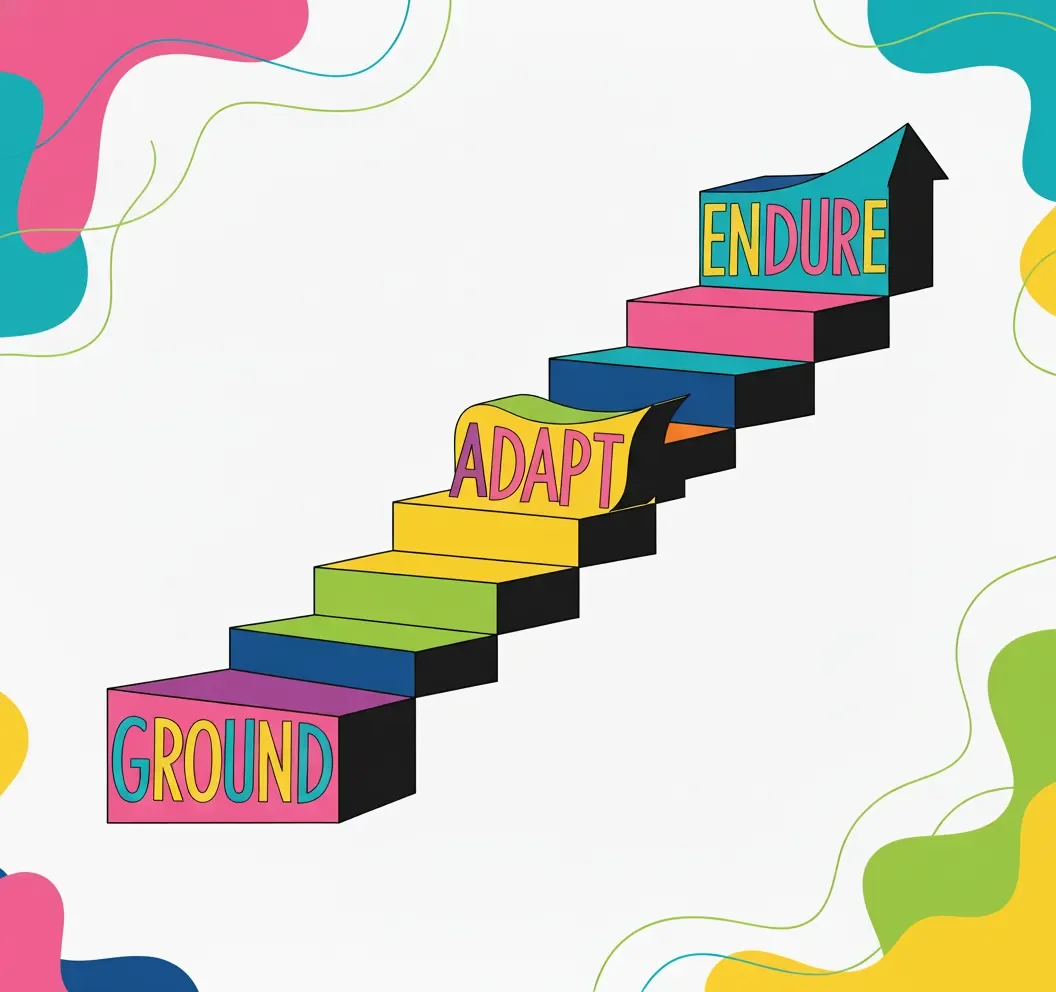
The Ground-Adapt-Endure Framework
Follow this framework to build leadership skills and personal strength.