



Bounce Back
& Repair Stronger

-
Resilience isn't something we are born with—it's something we build. Research reveals that the ability to recover from challenges and repair relationships after ruptures isn't a personality trait but a specific set of skills and practices that anyone can develop.
The science is clear: what separates those who crumble under pressure from those who emerge stronger isn't what happens to them, but how they respond. Similarly, what distinguishes lasting relationships isn't the absence of conflict but the quality of repair when things go wrong.
This approach integrates research to create practical systems for transforming personal setbacks into growth opportunities and relationship ruptures into deeper connections.
-
Setbacks are inevitable, suffering is optional. Research shows that those with effective recovery systems experience 60% less prolonged negative impact and return to baseline functioning 3x faster.
Recovery speed predicts success better than talent. How quickly someone rebounds from setbacks is a stronger predictor of long-term success than initial ability or intelligence.
Relationship repair builds stronger bonds than conflict avoidance. Studies show that relationships with effective repair patterns after ruptures develop deeper trust than those with fewer conflicts but poor repair mechanisms.
Recovery and repair skills transfer across domains. The same mechanisms that help you recover from personal setbacks strengthen your ability to repair relationship ruptures, creating comprehensive resilience.
-
You've come to the right place if you recognize yourself some of these statements:
The Ruminator: You mentally replay setbacks long after they've occurred, getting stuck in unproductive thought cycles.
The Overidentifier: You tend to see failures as reflections of your worth rather than specific events with limited scope.
The Defensive Repairer: When you've caused hurt, you focus more on explaining your intentions than understanding impact.
The Conflict Avoider: You let relationship tensions fester rather than addressing them directly, hoping they'll resolve on their own.
This approach is especially valuable during major life transitions, after significant disappointments, or when relationship ruptures threaten important connections.
-
Through four powerful systems, you'll develop a complete approach to resilience:
The Emotional Processing Protocol: A structured approach for moving through difficult emotions effectively rather than avoiding or being overwhelmed by them, transforming emotional reactions into valuable information.
The Identity-Experience Separation: Techniques to distinguish between what happened and who you are, protecting your core confidence while extracting valuable lessons from challenging experiences.
The Strategic Recovery System: Science-based practices that accelerate physical, cognitive, and emotional recovery after setbacks, creating rituals that restore capacity during and after challenging experiences.
The Growth Mining Protocol: Frameworks for extracting meaningful insights from challenges and applying those lessons for future advantage.
The Relationship Repair Protocol: A comprehensive approach to transform ruptures into opportunities for deeper connection and trust.
These tools work together to change how you experience and respond to life's inevitable challenges helping you bounce back, and using setbacks and ruptures as catalysts for growth and deeper connections.

Why "just move on." might be wrong.From Setback to Comeback
Stanford research reveals that people who strategically process emotions after disappointments recover 2.5 times faster than those who try to power through. The surprising discovery? Resilient individuals don't avoid difficult emotions - they transform them.
This protocol gives you a structured approach to processing post-failure emotions, extracting their hidden insights, and converting setbacks into comebacks. Because resilience isn't about feeling less - it’s about leveraging what you feel into what you learn.
THE RESILIENCE SECRETE:
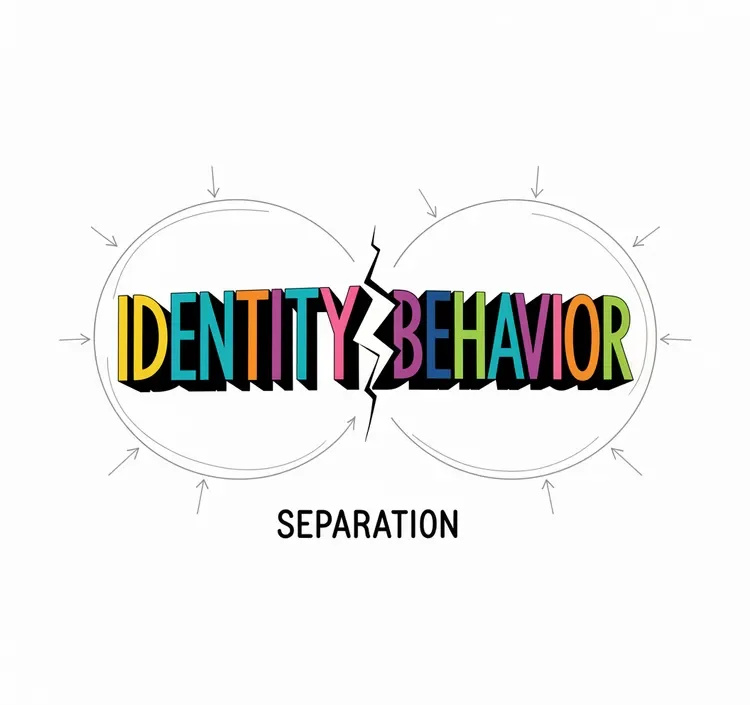
Seperating Identity from Behavior
Ever notice how some people bounce back quickly from mistakes while others spiral into self-doubt? It is a specific psychological skill anyone can develop.
Research reveals that resilient individuals maintain a crucial boundary that most of us unconsciously blur: the line between what they did … and who they are
This distinction determines whether setbacks become stepping stones or stumbling blocks.
MRI studies show that when we process failures as behaviors ("I made a mistake") rather than identity ("I am a mistake"), we activate problem-solving brain regions instead of threat responses. This neurological shift creates 70% faster recovery and dramatically higher likelihood of growth from setbacks.
This exercise gives you a structured approach to building this essential boundary, creating psychological safety that allows you to face failures honestly without questioning your worth.

The Recovery Myth: Why "Me Time" Alone Won't Save Us
I always thought the best way to recover from setbacks is to retreat and recharge on my own. But science says I was missing the most powerful ingredient.
The counterintuitive findings: the fastest path to recovery involves others - even for introverts! Social connection activates biological recovery mechanisms that simply can't be accessed alone. Stanford studies found that strategic social engagement after setbacks increases recovery speed by up to 70% compared to solo methods. Effective recovery requires a systematic approach integrating physical, cognitive, emotional, and social dimensions - working together rather than in isolation.
This exercise gives you a structured approach to building your personal recovery system based on science, creating a strategic comeback.

Extract Gold from Your Toughest Moments
Painful rejection? Crashed project? Awful presentation?
Awesome! These are gold mines of insight waiting to be excavated.
Stanford research reveals that elite performers don't just endure failures, they systematically extract hidden value using specific neural activation techniques that most of us never learned. Instead of rehashing what went wrong, we can use questions that transform experiences into wisdom.
This protocol gives you the same evidence-based mining tools used by elite military units and Fortune 500 executives. Not to sugarcoat difficult experiences, but to extract actionable intelligence that gives you an edge next time.
Build Stronger Connections
*
Build Stronger Connections *
The Repair Paradox:
What Actually Works
What if the strongest relationships aren't those with the fewest conflicts but those with the best repairs? Research reveals a counterintuitive fact: it's not the absence of conflict that creates lasting bonds but the quality of repairs when things go wrong. Brain imaging studies show that effective repair after conflict actually creates stronger neural connection patterns than interactions without conflict. The most resilient people aren't those who never make mistakes, they're those who have mastered the art of genuine, effective repair.
This evidence-based protocol gives you a structured approach to relationship repair that goes beyond generic apologies to create meaningful healing and growth.

BACK: Build Habits
That Stick
Discover why willpower is overrated and what habits have to do with hitchhiking.

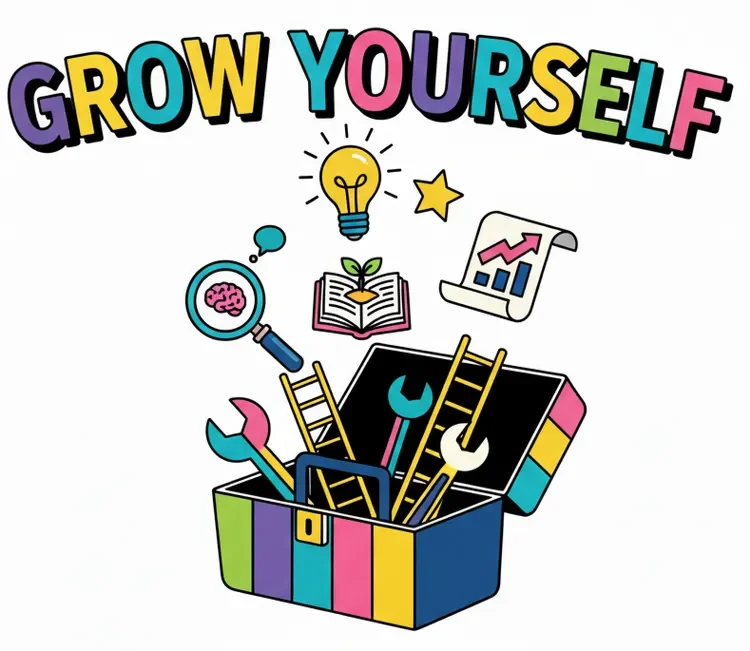
Grow Yourself Toolbox:
All Tools in One Place
Want to revisit an exercise or see what you might have missed?